In the competitive landscape of B2B eBike manufacturing, the choice of motor architecture is more than just a line on a spec sheet—it is the fundamental factor that determines the bike's weight, reliability, and "ride feel." While there are various motor topologies available, the debate between **In-runner (Inner Rotor)** and **Out-runner (Outer Rotor)** designs remains at the heart of premium propulsion engineering.
Mechanical Differences: The Inside-Out Logic
To understand the advantage, we must first define the configurations. In an **Out-runner motor**, the internal core (stator) is stationary while the outer shell (the "bell") spins. In contrast, an **In-runner motor**—such as the technology integrated into the Geektion MSU—features a stationary outer shell (stator) and a rotor that spins rapidly on the inside.
While out-runners are popular in low-speed, direct-drive hub motors due to their high native torque, in-runners are the undisputed champions of high-performance mid-drive integration.
The In-runner Advantage for eBikes
1. Superior Thermal Management
Thermal throttling is the enemy of efficiency. In an in-runner design, the stator (the part that generates the most heat) is in direct contact with the motor’s outer metal housing. This allows the housing to act as a massive heatsink, dissipating heat directly into the ambient air or the bicycle frame. Out-runners, by design, trap heat within the spinning bell, making them more prone to overheating during prolonged steep climbs.
2. High RPM and Instantaneous Torque
In-runners typically operate at significantly higher RPMs than out-runners. When paired with a precision reduction gearbox (a hallmark of flagship systems from industry leaders like **Bafang** and **Ananda**), this high-speed rotation is converted into massive, instantaneous torque. This "Torque Multiplication" allows for a motor that is physically smaller and lighter (often under 2.5kg) but capable of producing 60Nm to 95Nm of torque—perfect for the "Invisible Power" aesthetic required by modern premium brands.
3. Lower Rotational Inertia
Because the rotor is smaller and located at the center of the axis, it has much lower rotational inertia. For the rider, this translates to a motor that can start and stop almost instantly in response to pedal input. This is critical for systems utilizing advanced torque sensors, providing that "natural" boost feel that distinguishes a premium eBike from a basic one.
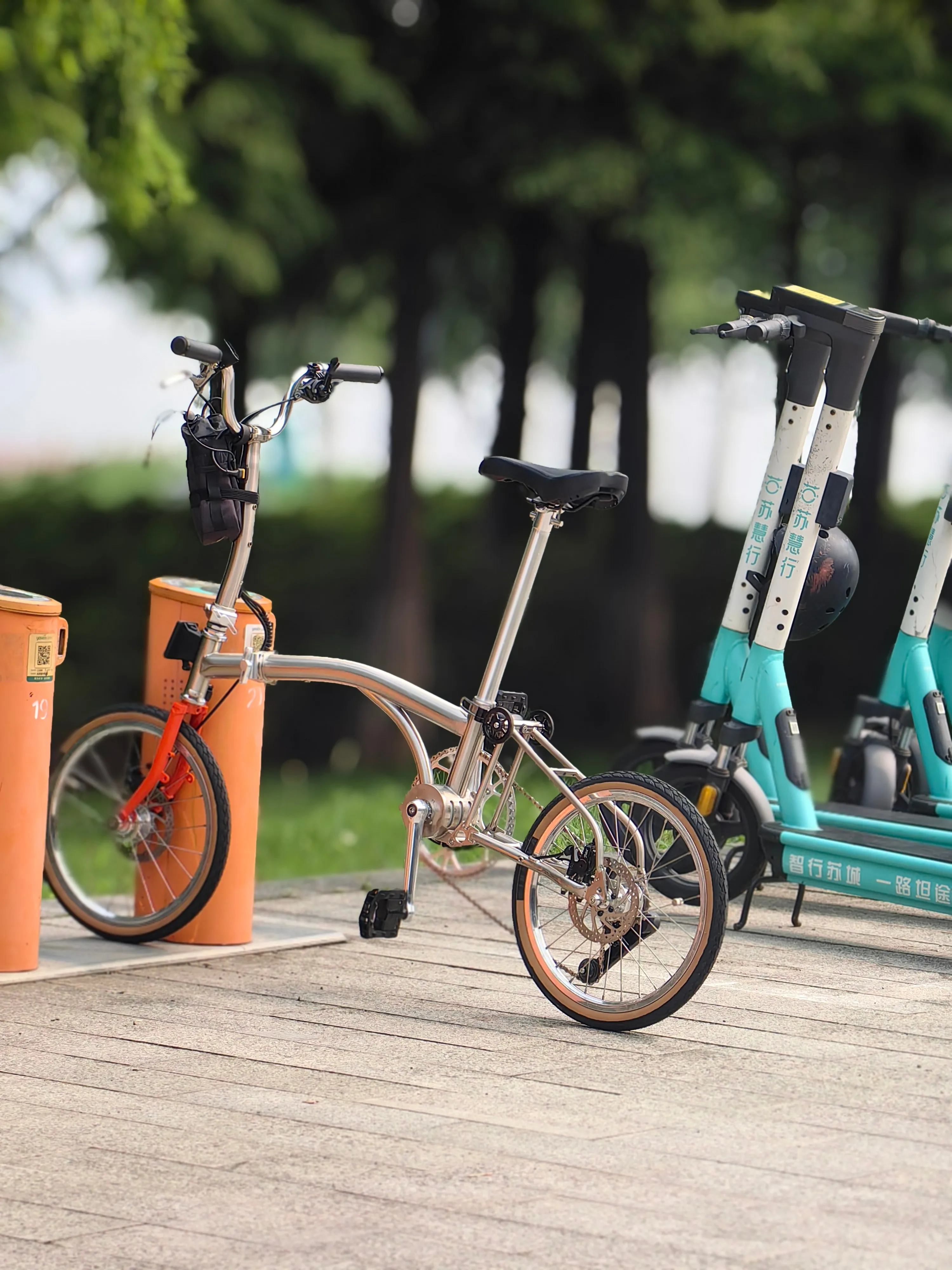
Heatsink Integrated Housing
Torque Multiplication Gearing
B2B Strategy: Why Engineering Choice Matters
For wholesalers and brand owners, the choice of an in-runner mid-drive system like the **Geektion E-Drive** series means offering a product with a longer lifespan, better IP67 sealing (easier to achieve on a stationary housing), and a competitive edge in power-to-weight ratio. As seen in recent technical evaluations of high-end European and Asian drive units, the industry trend is moving towards high-RPM in-runner designs to meet the demand for "stealth" integration without sacrificing the raw torque buyers expect.
Conclusion
While out-runners have their place in budget hub-drive applications, the future of the premium eBike experience is built on the efficiency and response of in-runner technology. By prioritizing thermal stability and gear-reduced torque, Geektion ensures that our partners are always one step ahead in the global mobility race.